|
The entrance gate as seen by the incoming prisoners Arbeit Macht Frei = Work will set you free. (above the door)
Of course this was all part of the Nazi propaganda. |
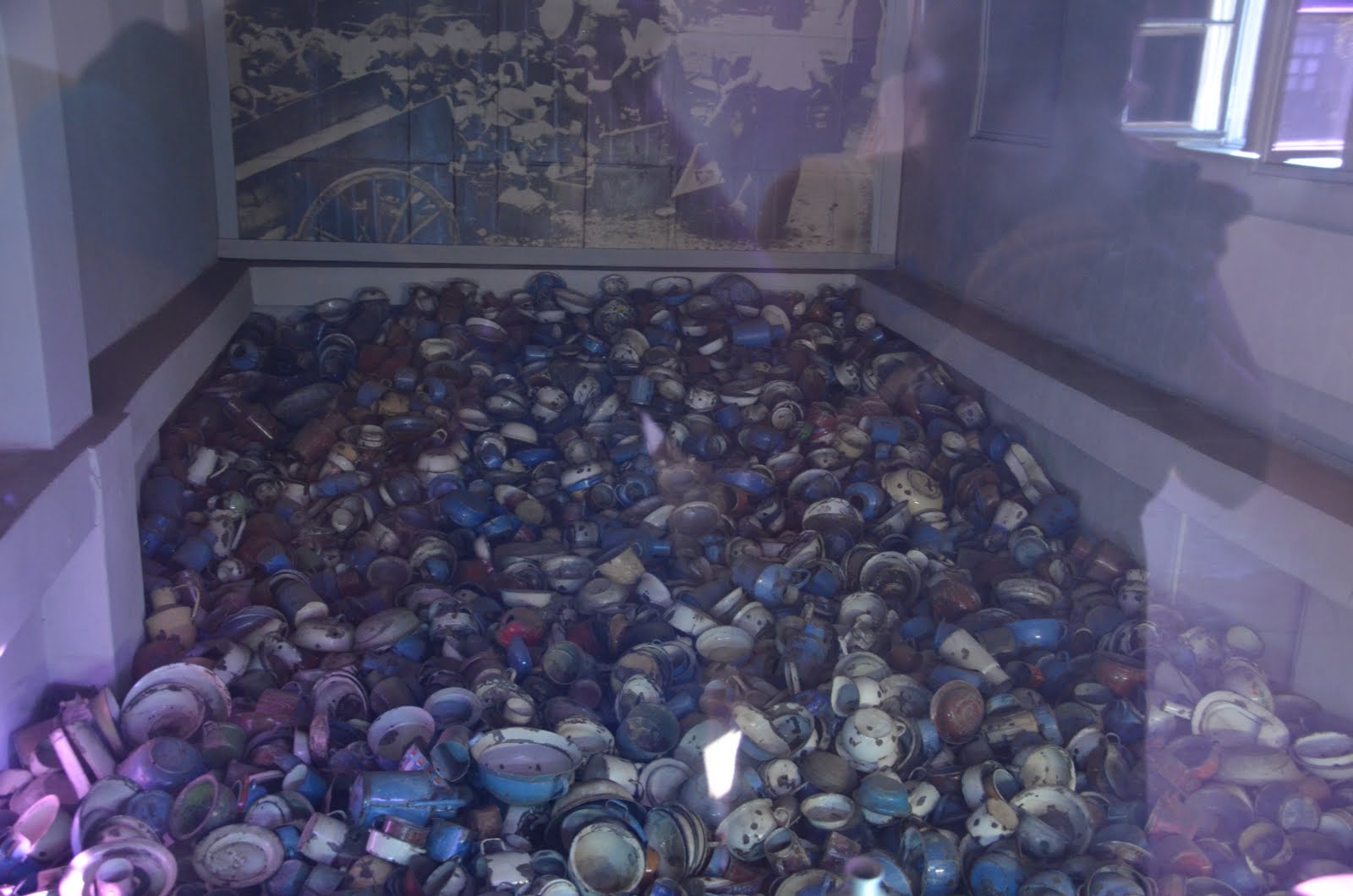
Perhaps the most influential parts of my travels this past year included visiting two different Nazi concentration camps within weeks of each other. In August, I visited both Dachau Concentration Camp near Munich, Germany and Auschwitz-Birkenau near Krakow, Poland. I have always been intrigued and curious by the concentrations camps and World War II even as a kid. Perhaps it was knowing my father grew up in Germany during the war - he was born at the end of WWII. Additionally, my mother's family also comes from Germany and also had family who lived near Dachau. I was always interested in understanding how something so horrible could continue for so long. As I learned more, I understood better the propaganda the Nazis perpetuated and kept many German citizens and the world at bay to what was really occurring on these so called "work camps."
 |
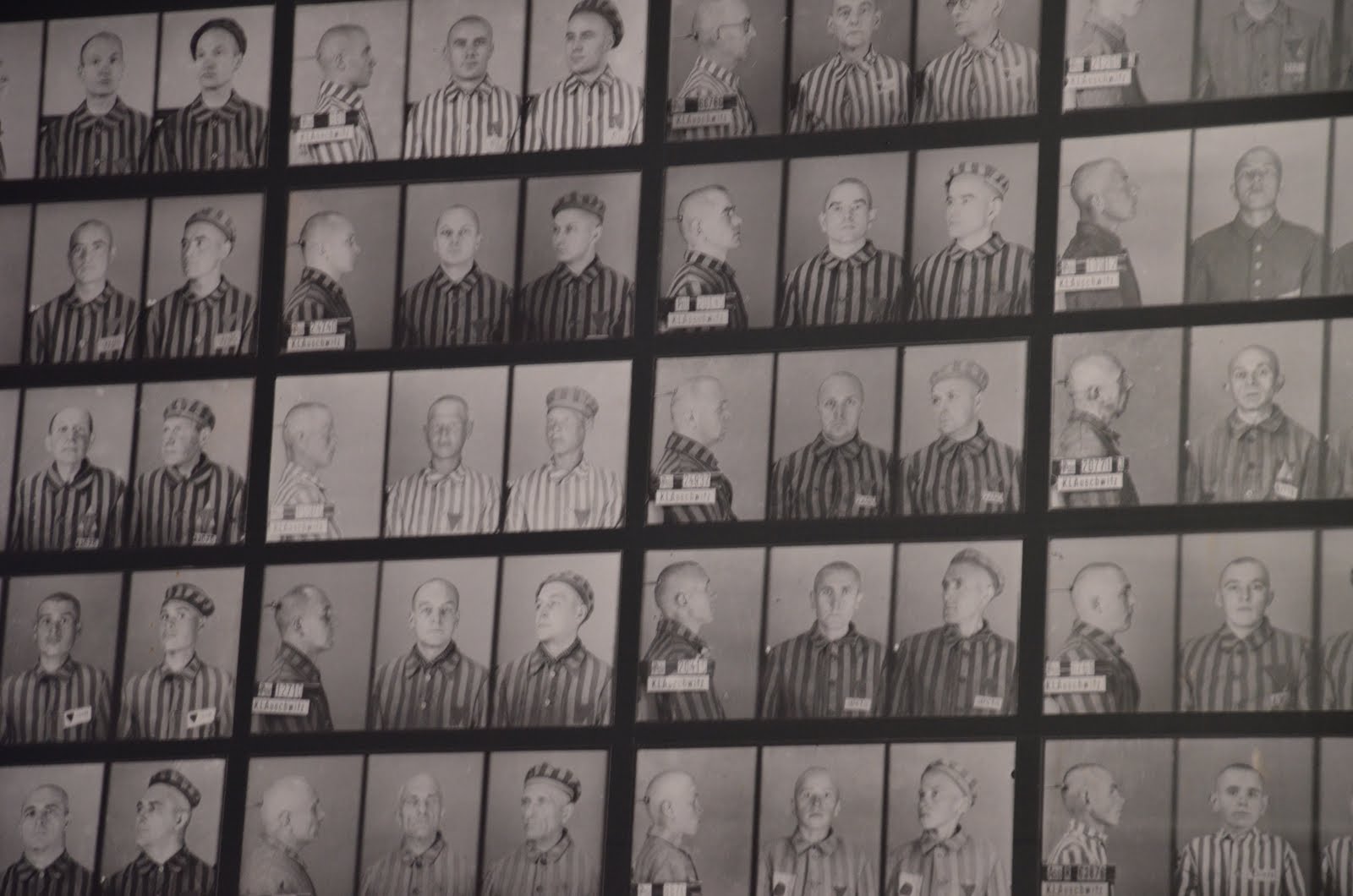
| Prisoners |
 |
The museum is in the former building where prisoners first came to be processed into the camp.
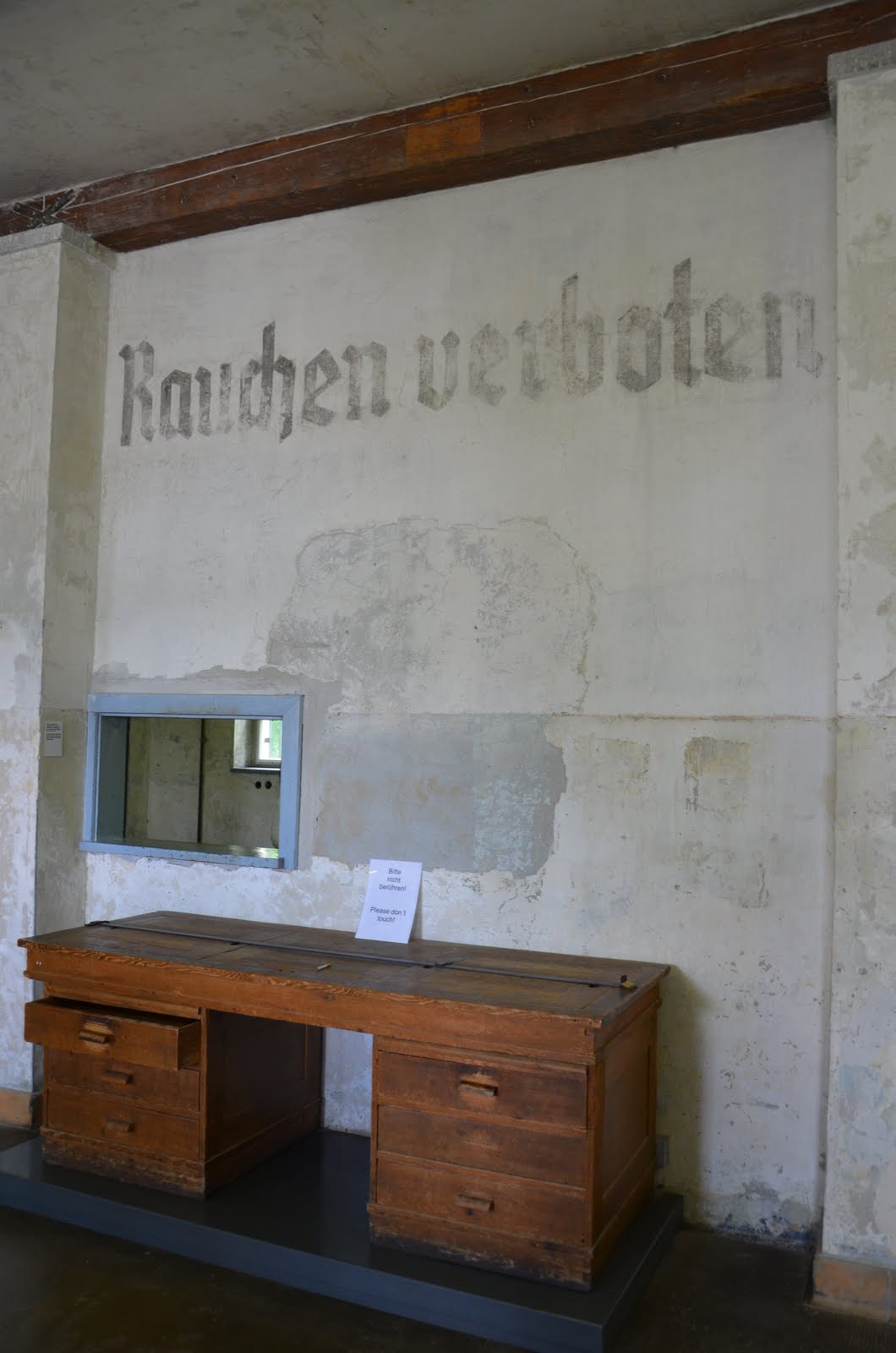
Rauchen verboten (smoking prohibited) is original from when camp was in use. |
 |
| An interesting map of where prisoners came from. |
 |
| A torture bench in the museum. |
Visiting a concentration camp is a truly humbling and powerful experience. At times, there are not words to describe how you feel. Thinking about the millions of people who lived and died in these camps brings one to tears. Remembering that injustices just like this continue to happen around the world also brings one to tears. There are several signs and memorials at the concentration camps that say "Never forget" or "Never Again." When will we figure out a way to stop hating and find peace in this world? We all have a voice and the power of our own actions to make a difference. I truly believe that the first step is simply acknowledging the pain and vowing to not perpetuate it, and then finding your own way to fight against injustice.
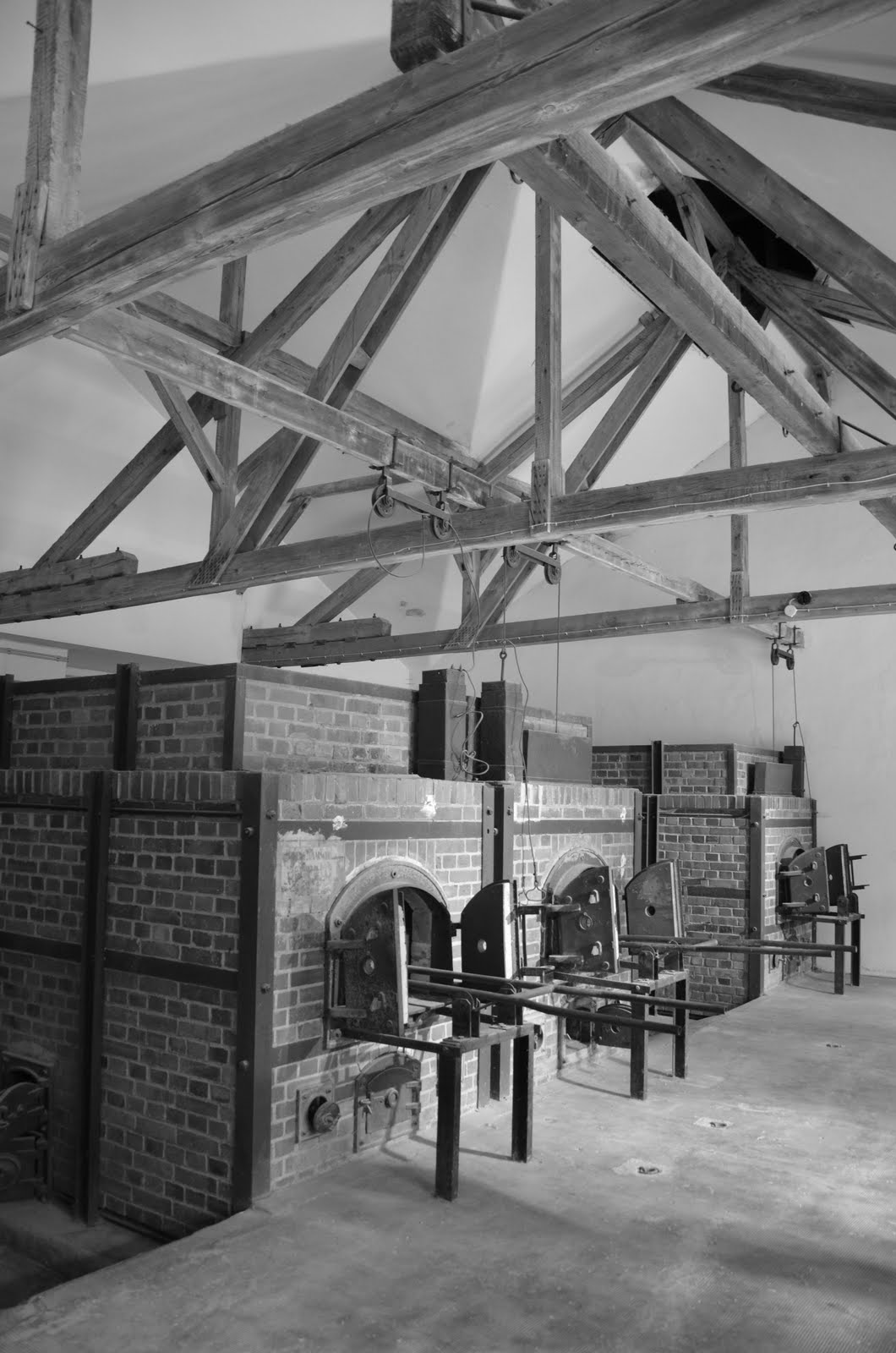
I spent most of my time at Dachau in silence, contemplating all that occurred in this horrific place. I will leave the last pictures mostly un-commented as they speak for themselves.
 |
| This picture and the next two are inside the gas chamber. Overwhelming sadness and remembrance came over me when I walked into this room. Thinking of the thousands who died in this place, it was almost difficult to take pictures. But I feel so strongly that everyone should experience this and truly see what was done (we all heard the stories, but to be there is very different), and so this is my way of sharing the experience and commemorating the lives lost here. |